
This year is shaping up to be a beautifully balanced year in design – where simplicity meets warmth, and style meets substance. It’s about creating homes that feel personal, comforting, and effortlessly functional. Spaces that not only look good, but genuinely support how we live and feel every day. And honestly, that’s exactly how good design should be.
If there’s one thing I’m seeing more than anything else as we move into 2026, it’s a real shift in how people want their homes to feel. We’re moving away from spaces that simply look good, and toward interiors that offer comfort, connection, and a sense of calm. This year is all about warmth, personality, and engaging the senses – without losing that sense of considered design.
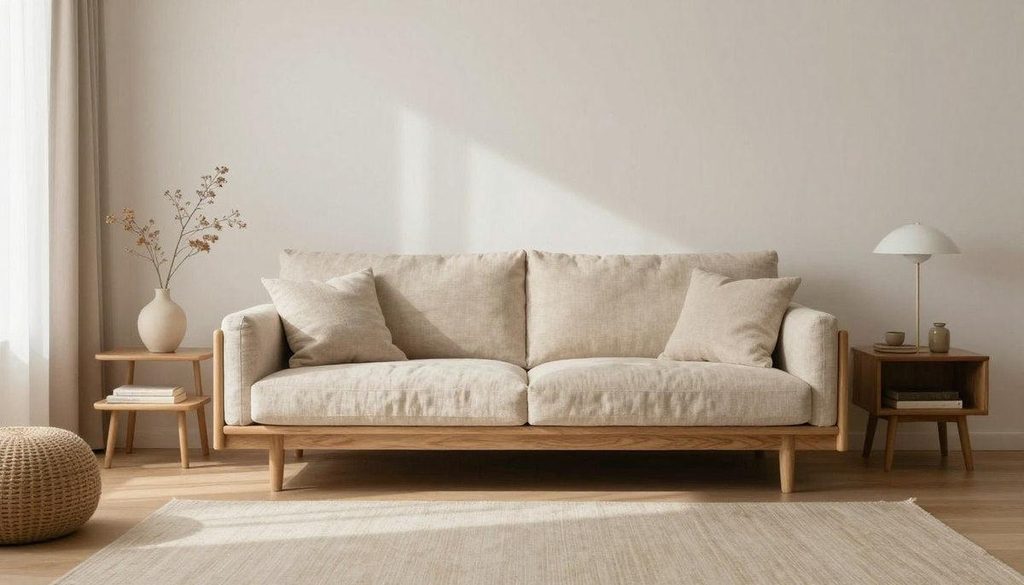
Warm minimalism takes over
Minimalism isn’t going anywhere, but it’s evolving. The stark, clinical look has softened into something much more inviting. Clean lines are still key, but they’re now layered with rich textures and earthy tones like warm beige, terracotta, toasted almond, and deep olive. Natural materials such as oak, linen, and bouclé bring depth and softness, creating spaces that feel calm yet lived-in.
Sensory & biophilic design goes deeper
Biophilic design has matured into something far more immersive. It’s no longer just about adding a few plants – it’s about designing for all five senses. Think textured walls you want to run your hand over, soft ambient sound, subtle scent diffusion, and lighting that follows natural circadian rhythms. These are spaces designed not just to be seen, but to be experienced.
Statement ceilings & architectural details return
We’re finally looking up again. Ceilings are becoming the “fifth wall,” with painted finishes, wooden beams, and coffered or tray designs making a strong comeback. Alongside this, we’re seeing a revival of detailed mouldings and architectural features. After years of flat white boxes, there’s a clear desire for depth and character.
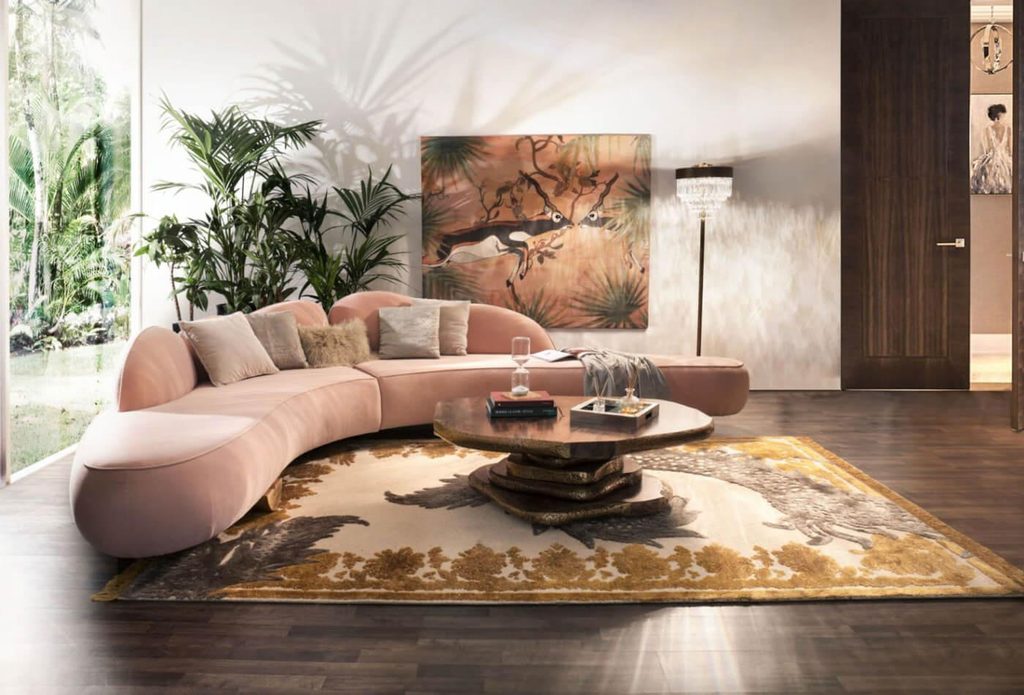
Curvy & organic shapes dominate furniture
Sharp edges are giving way to softer, more fluid forms. Furniture is becoming sculptural, with curves, rounded edges, and organic silhouettes taking centre stage. From sofas to mirrors and lighting, these pieces feel almost like functional art—comfortable, but visually striking.
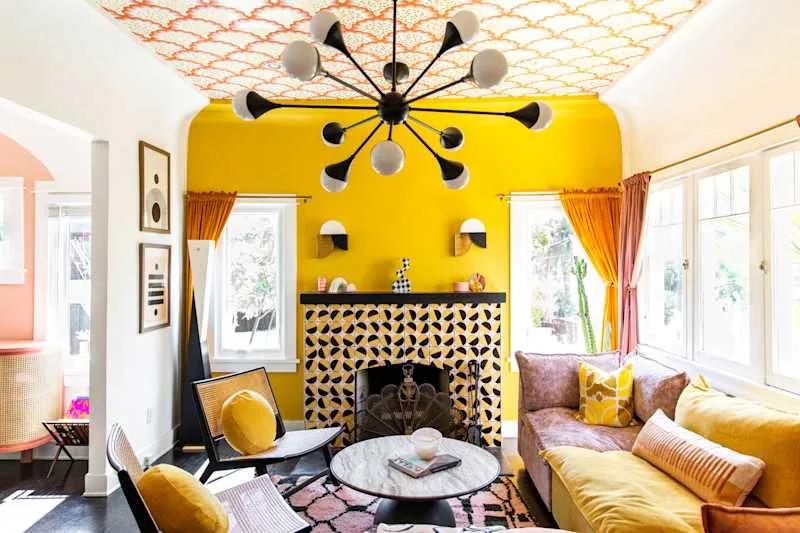
Bold colour in small doses
While warm neutrals set the foundation, 2026 is all about strategic moments of colour. A single piece – a sapphire blue chair, an emerald green cabinet, or a rust-toned feature can completely transform a space. It’s about adding drama without overwhelming the room.
Sustainable & ‘invisible’ tech
Technology is becoming more seamless than ever. Hidden charging points, integrated speakers, motorised blinds, and discreet smart lighting are all designed to blend into the architecture rather than stand out. At the same time, sustainability is no longer optional – clients are prioritising recycled, upcycled, and responsibly sourced materials as standard.
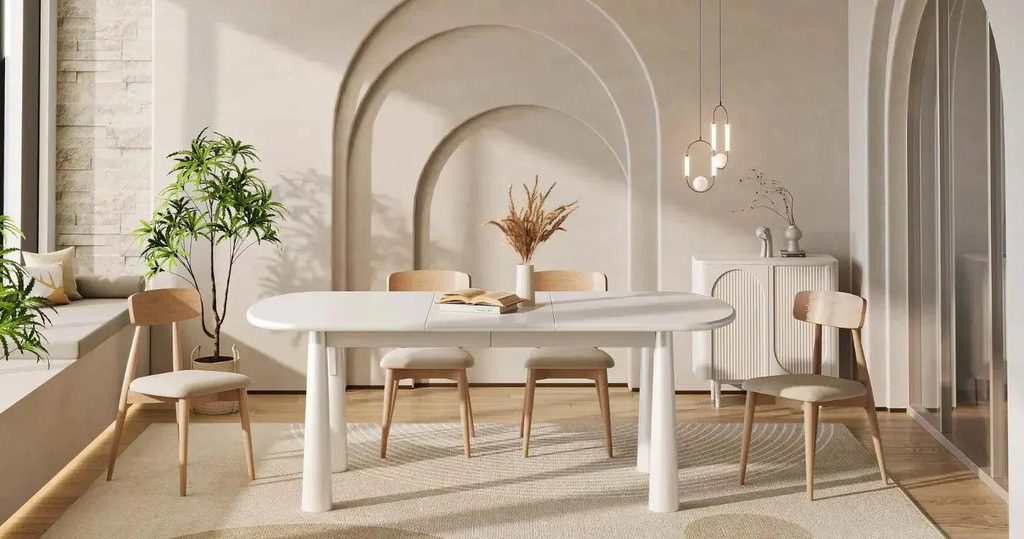
Maximalism returns – but only in the details
There’s a lovely balance emerging between calm and character. Rooms remain edited and serene, but accessories tell a richer story. Layered books, vintage finds, global textiles, and collected objects bring personality without tipping into clutter. It’s a curated kind of maximalism – intentional and meaningful.
The kitchen becomes the new living room
Kitchens continue to evolve as the heart of the home. They’re no longer purely functional – they’re social spaces. We’re seeing luxurious island seating, integrated bars, banquette dining, and statement extractor hoods that feel more like furniture than appliances. It’s all about creating a space where people naturally gather.